
Catch material at the opening
Clean sink and shower strainers regularly. Removing hair and food scraps at the fixture is easier than clearing them after they lodge in a trap or branch drain.
Drain cleaning · Wichita, Kansas
Practical drain care starts at home. When a clog needs attention, one call connects you with a local drain cleaning contractor.
CALL NOW: +1 877 364 0435
Knowing how to prevent clogged drains starts with keeping grease, hair, food scraps and other solids out of the pipes. These are common causes of clogged drains because they catch on buildup or lodge at bends. Prevention helps, but a drain that repeatedly slows down may need more than routine cleaning.
In the kitchen, let cooking grease cool and put it in the trash rather than pouring it down the sink. Scrape plates before washing them, and use a sink strainer to catch scraps. A garbage disposal is meant for small amounts of food left after scraping, not fibrous peels, coffee grounds or a panful of leftovers. Run water while using the disposal and afterward, following the unit's instructions.
In bathrooms, remove hair from shower and tub strainers before it enters the drain. Keep wipes, cotton swabs and hygiene products out of toilets, even when a package calls them flushable. These simple drain maintenance tips reduce the material that can collect farther down the line.
For Wichita homeowners dealing with a persistent clog, we connect callers with drain contractors in Wichita, KS who handle drain cleaning. You talk with the contractor directly about the symptoms and decide whether to have the drain checked.
CALL NOW: +1 877 364 0435Clean sink and shower strainers regularly. Removing hair and food scraps at the fixture is easier than clearing them after they lodge in a trap or branch drain.
Hot grease can cool and cling to pipe walls. Wiping greasy pans before washing them reduces buildup in kitchen drains.
A fixture plunger may clear a simple, nearby blockage. Stop if water rises elsewhere or the same drain clogs again; those signs call for a closer look.
Chemical drain cleaners may leave a blockage in place and create a handling hazard when a contractor opens the pipe. Tell the contractor if you have used one.
A single slow fixture suggests a different starting point than several fixtures backing up together. Note which drains are affected and when the problem occurs.
One call connects you with a local drain cleaning contractor who serves the Wichita area.
Enter your ZIP code and you are connected directly with a contractor who serves it.
The person you speak with is the contractor. Discuss the affected fixtures, ask how they would assess the clog, get the quote from them and decide whether to proceed.
If careful drain habits are not stopping repeat clogs, one call connects you with a local contractor who can assess what is blocking the line.
CALL NOW: +1 877 364 0435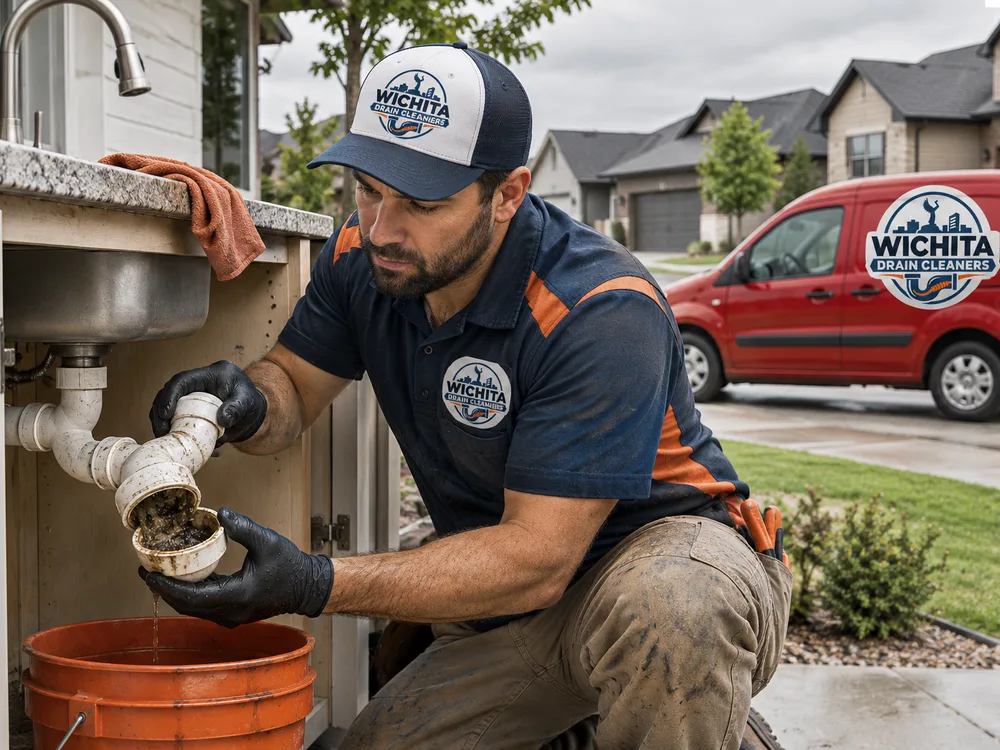
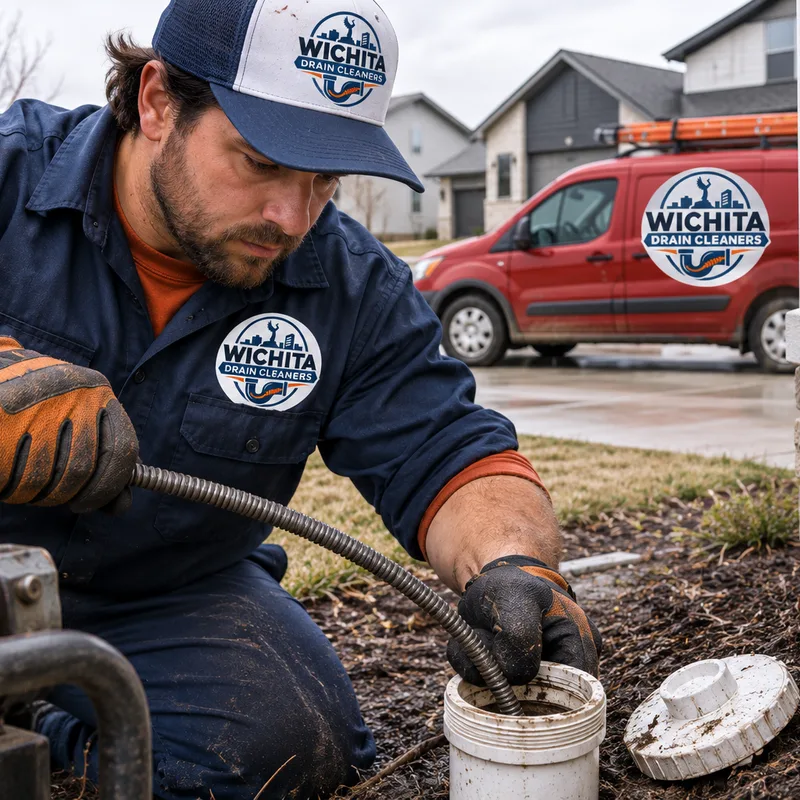
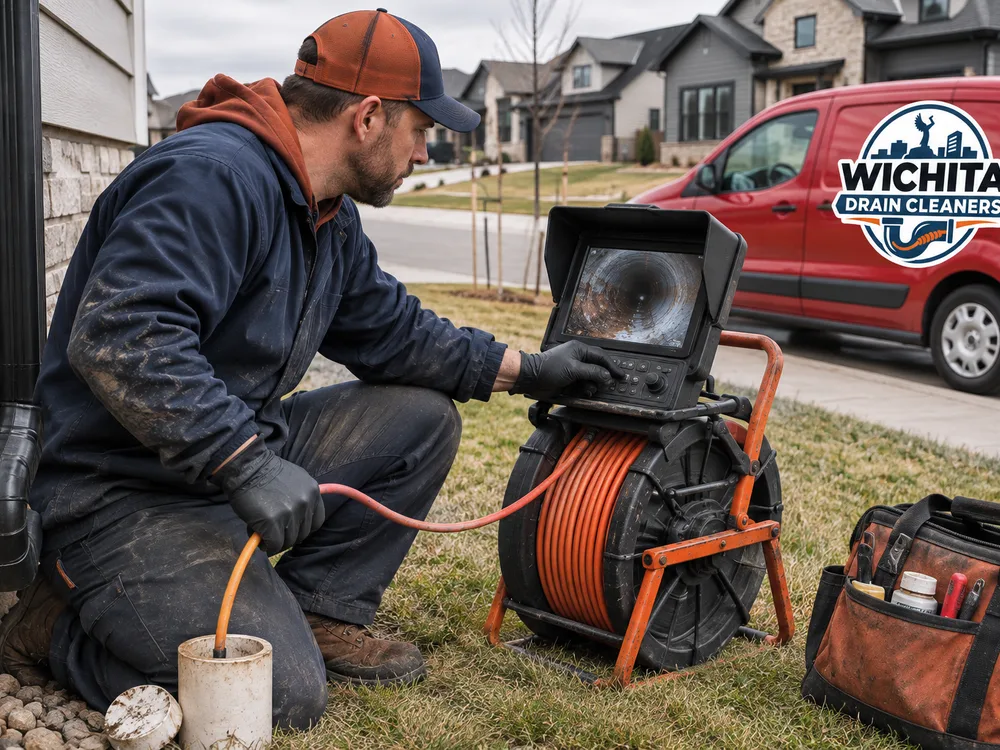
Several fixtures backing up together, a toilet gurgling when another drain runs, or wastewater appearing at a lower drain can point to a sewer line blockage. Stop using water if wastewater is backing up, and discuss the affected fixtures with a contractor. A camera inspection may help identify where the obstruction sits.
Call a drain cleaning professional when a clog returns, affects several fixtures or causes wastewater to back up. A contractor can check whether the blockage is near a fixture or farther along a branch drain or sewer line. The appropriate cleaning method depends on what the contractor finds.
The contractor should assess the pipe and blockage before recommending a method. A drain auger can break through or retrieve a localized obstruction, while hydro jetting uses pressurized water to clean buildup from suitable pipe walls. Pipe condition and access matter, particularly if a line may be damaged.
A recurring clog can mean residue remains in the pipe or an underlying defect catches new material. The contractor may check the fixture trap, branch drain and accessible cleanouts, then discuss whether a camera inspection makes sense. Tree roots, a damaged pipe or a low spot in the line require a different plan than routine buildup.
Ask which drain the contractor plans to access, what method they recommend and what their quote covers. If they suggest a camera inspection or pipe repair, ask what finding supports that step and how it changes the work. You decide whether to proceed after speaking with the contractor.
Call and get connected with a local drain cleaning contractor who serves your area. Talk with the contractor directly about the affected drains and decide on the next step.
CALL NOW: +1 877 364 0435